Tribe against tribe: who fears whom, and how to live together
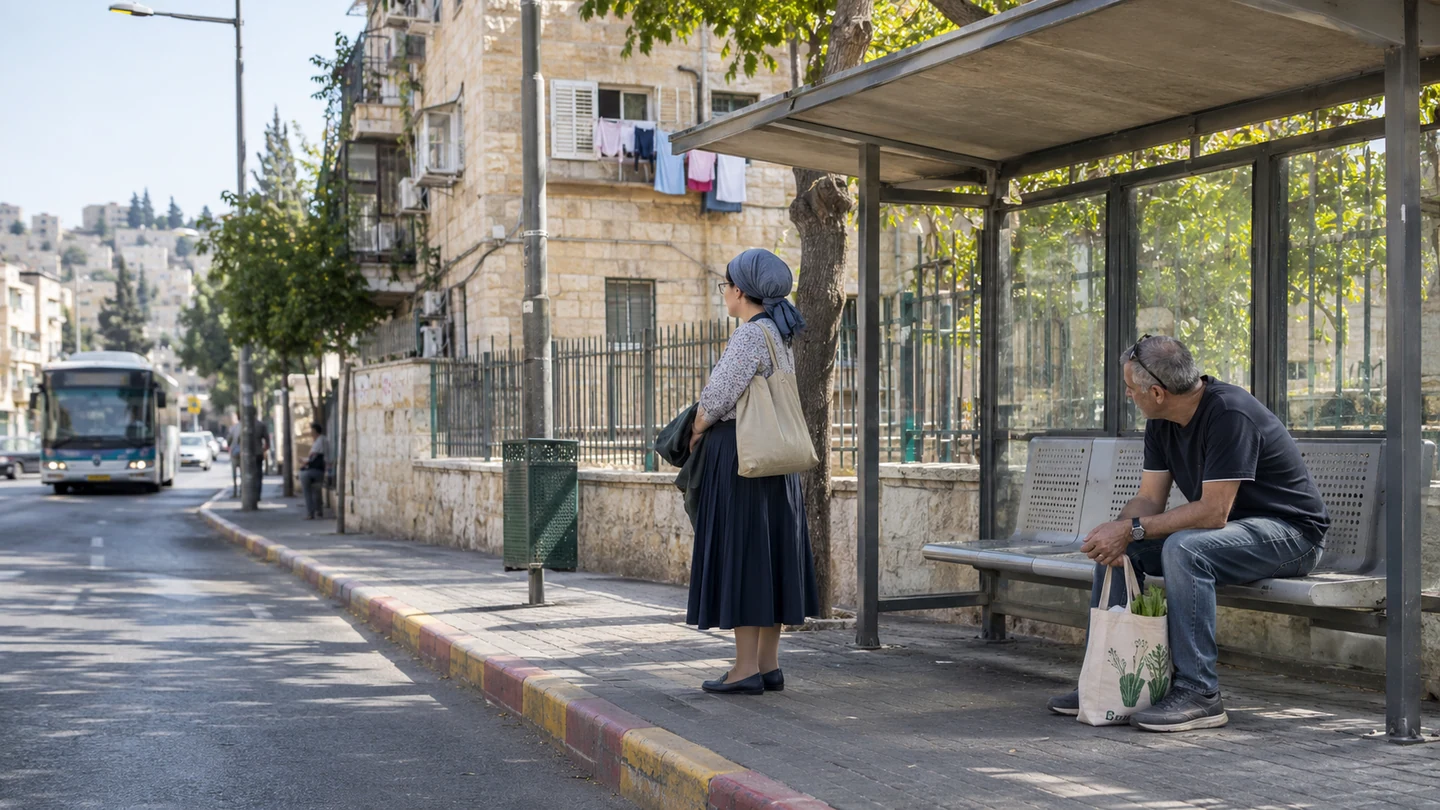
How Haredim, secular and religious Israelis can live together may be the great question of Israeli society. This section is about the rift, the mutual fears and the possible partnership.
The relationship between the state and Haredi society was shaped even before independence, in the 1947 “status quo” letter that dealt with Shabbat, kashrut, marriage law and the autonomy of Haredi education. Since then, arrangements, struggles and government programs “for integrating Haredim” have been built around it, many of them written from the outside.
In these episodes scholars, journalists and public figures look at Haredi society from inside and out: how secular Israelis see it and how it sees itself, what it means to be the “unwilling representative” of an entire sector, and what happened to solidarity after October 7.
 Politics
I Won’t Give Up on My Haredi Brothers
 Faith and Thought
Believers in Dispute
 Faith and Thought
When the Community Suffocates
 Haredim and Israelis
Do Secular Israelis Really Want to Separate Religion and State?
 Media and Culture
What Do Yated Ne’eman and Haaretz Have in Common?
 Haredim and Israelis
The Secular Israelis Who Invented the “Haredi-Meter”
 Haredim and Israelis
Haredi Society on the Operating Table
 Haredim and Israelis
Make Room for the Tribe: Who Is In, Who Is Out?
 Haredim and Israelis
Between Propaganda and Explanation: Haredi Hasbara
 Politics
Go Run a Haredi City
 Haredim and Israelis
Knitted Kippah, Black Kippah
 Haredim and Israelis
Shas Has Forgotten My Father’s Way
Translated and adapted from the Hebrew edition. עברית